

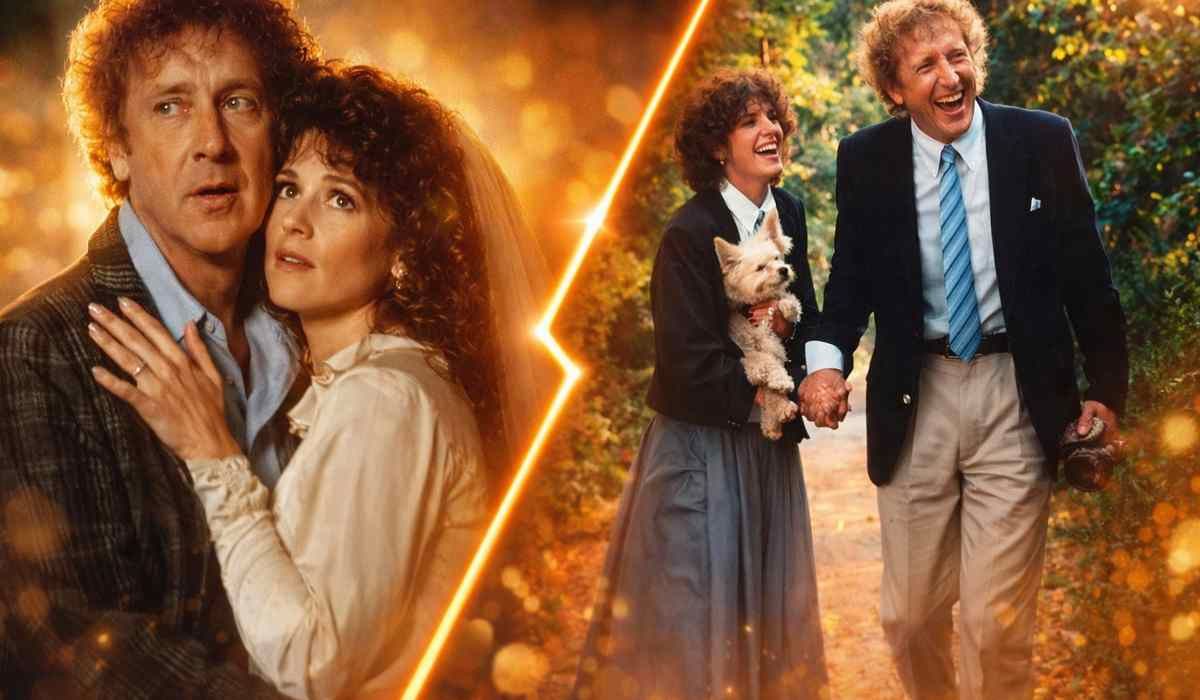
Mary Joan Schutz is best known as Gene Wilder’s first wife, yet her story remains largely untold. A devoted mother, she chose privacy over fame as Wilder rose to stardom, reflecting quiet strength and grace—the woman behind one of Hollywood’s most beloved stars.
Mary Joan Schutz lived far from Hollywood’s spotlight, yet her marriage to Gene Wilder placed her at fame’s edge. She witnessed his rise while prioritizing motherhood and privacy. Her story reflects resilience—a woman who chose authenticity despite pressures.
Mary Joan Schutz’s name may not appear in Hollywood’s history books, but her influence on Gene Wilder was undeniable. Their 1967-1974 marriage was built on mutual respect. While Wilder captivated audiences, Mary Joan provided emotional stability. Her legacy lives in quiet dignity.
Quick Bio: Mary Joan Schutz
| Category | Details |
| Full Name | Mary Joan Schutz |
| Famous As | Gene Wilder’s ex-wife and first wife |
| Date of Birth | Not publicly disclosed |
| Place of Birth | United States |
| Age | Unknown |
| Nationality | American |
| Ethnicity | Caucasian |
| Religion | Not publicly known |
| Marital Status | Divorced |
| Marriage Duration | 1967 – 1974 (7 years) |
| Ex-Husband | Gene Wilder (Actor & Comedian) |
| Children | Katharine Wilder (adopted daughter by Gene Wilder) |
| Profession | Not publicly documented |
| Known For | Being Gene Wilder’s first wife and living a private life away from Hollywood |
| Net Worth | Not publicly available |
Early Life and Background
Mary Joan Schutz’s early years remain largely private, as she consistently shielded her personal history from public view. Born and raised in the United States during the mid-20th century, details about her birthdate and family were never disclosed. As a single mother before marriage, Mary Joan developed resilience and independence, and before meeting Gene Wilder, she was raising her daughter Katharine with quiet strength—demonstrating the values that would define her throughout life after celebrity divorce.
Mary Joan Schutz’s upbringing in mid-20th-century America likely shaped her traditional values and independent spirit. As a single mother, she demonstrated strength in providing for her daughter Katharine while maintaining dignity. Her choice to keep family matters private reflected beliefs in protecting loved ones—a trait that would later define her as a Hollywood wife in the 1960s and 1970s. Mary Joan remained committed to authenticity rather than fame, embodying celebrity spouse privacy long before it became a movement.
Mary Joan Schutz’s pre-Hollywood years were marked by quiet determination and creating stability for her daughter when motherhood carried challenges. Her ability to navigate these circumstances suggests the fortitude that would later help her handle celebrity marriage challenges during her time with one of America’s most famous comedic actors. Values she cultivated prioritized substance over spectacle—motherhood and family values over everything else.
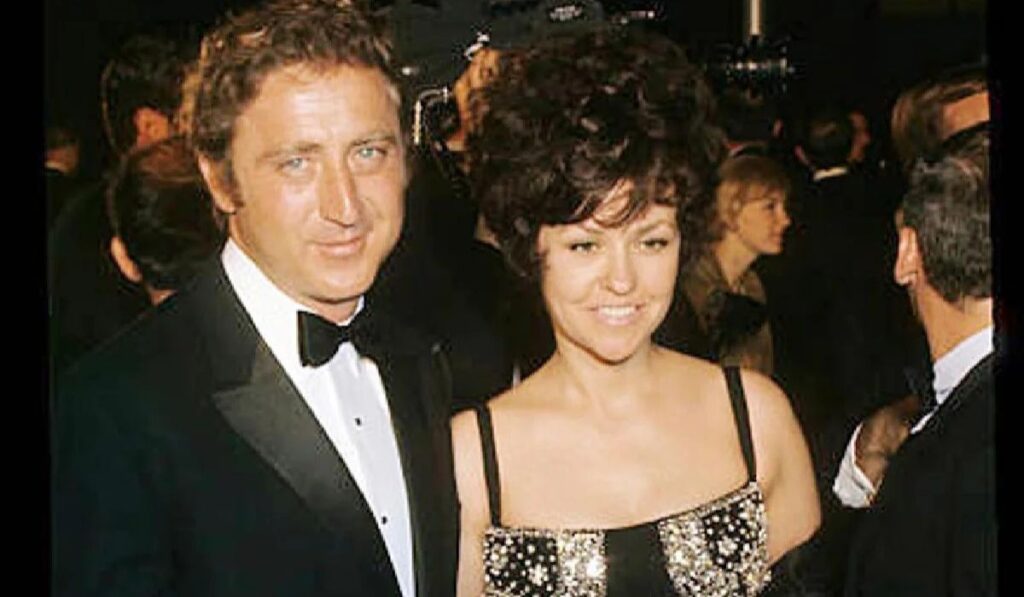
Mary Joan Schutz’s Meeting With Gene Wilder
Mary Joan Schutz met Gene Wilder during the mid-1960s when Wilder was building his reputation during Gene Wilder’s early career. Their meeting happened through mutual friends. Their connection developed gradually. Mary Joan’s independence and strength as a single mother attracted Wilder, who was drawn to her authentic nature in an industry filled with pretense.
The connection between Mary Joan Schutz and Gene Wilder blossomed far from Hollywood’s parties. Their interactions allowed them to discover shared perspectives on family life and personal values. Wilder found something authentic in Mary Joan—a woman who had already proven her resilience and independence as a single parent. She offered companionship rooted in honesty, while Wilder’s sensitivity aligned with her approach to life and motherhood and family values.
What distinguished Mary Joan and Gene Wilder’s early relationship was its organic development rooted in everyday moments. Unlike couples who rushed into marriage, they built a foundation based on genuine respect. Wilder respected her independence and principles, and saw her not just as a romantic partner but as someone who understood the importance of behind the scenes support in building a meaningful life together. Their relationship evolved naturally through genuine connection.
Marriage to Gene Wilder
Mary Joan Schutz and Gene Wilder married in 1967, marking the beginning of their seven-year union and Gene Wilder’s marriage to his first wife. The ceremony reflected their preference for intimacy over spectacle. Wilder adopted Mary Joan’s daughter Katharine—making her the adopted daughter Katharine—demonstrating genuine commitment to Gene Wilder family life. Their life balanced Wilder’s demanding career with Mary Joan’s efforts to maintain stability as a Hollywood wife in the 1970s.
Between 1967 and 1974, Gene Wilder experienced extraordinary professional growth and fame with Mary Joan steadfastly by his side. This was the Young Frankenstein era and the iconic Willy Wonka time period—Wilder delivered legendary performances including his unforgettable portrayal of Willy Wonka in “Willy Wonka & the Chocolate Factory,” as well as memorable roles in “Blazing Saddles” and “Young Frankenstein” during the Mel Brooks collaboration period. Mary Joan remained behind the scenes, providing behind the scenes support while deliberately choosing celebrity spouse privacy over the spotlight, embodying what it meant to be a private individual vs public fame.
Mary Joan’s approach to being a Hollywood wife contrasted sharply with celebrity spouse expectations of the era. While the industry demanded wives accompany husbands to social functions, Mary Joan established boundaries protecting her post-divorce privacy and personal integrity even during the marriage. She refused to become a public figure and gave virtually no interviews. Her stance reflected priorities: Gene Wilder family life, family stability, and personal integrity above all else—a testament to her commitment to motherhood and family values.
Life as a Hollywood Wife
Mary Joan Schutz’s experience as Gene Wilder’s beloved wife placed her in Hollywood’s demanding social hierarchy during the late 1960s and early 1970s, yet she navigated with remarkable restraint and quiet strength and dignity. Unlike many celebrity spouses who embraced glamorous lifestyles, Mary Joan prioritized family welfare over public recognition as a Hollywood wife in the 1960s transitioning into a Hollywood wife in the 1970s. She quietly rejected societal expectations, creating a stable home environment for Katharine Wilder’s mother to nurture her daughter properly.
Being married to a comedic actor and rising Hollywood star presented Mary Joan with constant celebrity marriage challenges requiring diplomatic skill and emotional resilience. As Wilder’s career accelerated rapidly during Gene Wilder’s early career breakthrough years, pressures intensified significantly—longer schedules, promotional tours, and relentless media interest. While the Willy Wonka actor was pulled into elite social circles, Mary Joan made deliberate choices about participation, exemplifying celebrity spouse privacy at its finest. She recognized the importance of maintaining boundaries protecting family privacy while navigating industry events with quiet poise, always choosing to remain a private individual vs public fame.
Who is Gene Wilder?
Gene Wilder, born Jerome Silberman on June 11, 1933, in Milwaukee, Wisconsin, emerged as one of American cinema’s most beloved comedic actors. His breakthrough came in 1967 with “The Producers,” earning an Academy Award nomination during Gene Wilder’s early career. His portrayal in “Willy Wonka & the Chocolate Factory” (1971) cemented his status as a cultural icon—forever making him known as the original Willy Wonka actor during that historic Willy Wonka time period.
Wilder’s unique and distinctive comedic style masterfully combined wide-eyed innocence with brilliant manic energy, creating beloved memorable characters that resonated across generations. His work during the Young Frankenstein era and the Mel Brooks collaboration period defined classic American comedy and showcased his versatility as both an actor and creative force in Hollywood.
Known for his gentle nature off-screen, Wilder valued kindness, creativity, and meaningful relationships—qualities that shaped Gene Wilder’s personal life and Gene Wilder family life. He embodied the same warmth and sensitivity in real life that made his film characters so deeply beloved and enduringly memorable, bringing this same authenticity to his marriage to Gene Wilder with Mary Joan.
Their Daughter Katharine Wilder
Katharine Wilder, born to Mary Joan from a previous relationship, became the bond connecting her mother to Gene Wilder. As the adopted daughter Katharine, Wilder legally adopted her shortly after marrying Mary Joan in 1967, fully embracing his role in Gene Wilder family life. Even after their Gene Wilder divorce 1974, Wilder reportedly continued caring about Katharine’s wellbeing, demonstrating the depth of their bond.
Katharine’s upbringing carefully maintained normalcy despite having a famous father. Katharine Wilder’s mother, Mary Joan, protectively shielded her from intrusive celebrity life, ensuring typical childhood experiences rooted in motherhood and family values. Wilder attended important events when filming allowed during the Willy Wonka time period and Young Frankenstein era. The family prioritized Katharine’s wellbeing over exploiting fame connections. She later pursued performing arts while maintaining the same commitment to privacy that her mother had instilled—truly a private life away from Hollywood.
Katharine’s relationship with Gene Wilder reportedly remained meaningful even after his divorce from Mary Joan, demonstrating that bonds formed during their family years transcended the marriage to comedic actor and reflected genuine paternal love and commitment that extended beyond the 1967 to 1974 marriage period.
Challenges and Separation
Despite the strong foundation of love and family they had built together, Mary Joan Schutz and Gene Wilder’s relationship gradually faced mounting celebrity marriage challenges and pressures that ultimately resulted in Gene Wilder divorce 1974, marking a painful but dignified end to their seven-year marriage to Gene Wilder and shared journey through Hollywood’s demanding world.
The relentless pace of Hollywood fame during the Young Frankenstein era and Mel Brooks collaboration period, combined with the emotional distance created by Wilder’s exhausting film schedule, began to quietly erode the intimacy and connection that had once defined their relationship. Both struggled to maintain their bond amid the chaos and pressures of public life during this transformative period of Gene Wilder’s personal life, despite their genuine love and commitment to each other and their dedication to Gene Wilder family life.
The couple’s decision to part ways was made quietly and without public drama, reflecting the same quiet strength and dignity and respect that had characterized their relationship from the beginning, even as their paths diverged forever. The Gene Wilder divorce 1974 marked the end of an era for both parties.
Life After Divorce
After the dissolution of her marriage to Gene Wilder, Mary Joan Schutz embraced a quieter chapter of life after celebrity divorce, stepping away from the public eye entirely and dedicating herself to raising her daughter while maintaining the resilience and independence and dignity that had always defined her character throughout the years. She fully committed to a private life away from Hollywood, never looking back.
Unlike many former spouses of celebrities who seek to maintain their connection to fame, Gene Wilder’s ex-wife and Gene Wilder’s former spouse deliberately distanced herself from the entertainment world, refusing interviews and public appearances while building a simple, meaningful life centered around personal values rather than public recognition. Her commitment to post-divorce privacy and celebrity spouse privacy remained unwavering, demonstrating her consistency as a private individual vs public fame.
Her ability to gracefully navigate life after celebrity divorce, maintaining her composure and never exploiting her connection to the Willy Wonka actor for personal gain, revealed the depth of her character and the authenticity of the values she had always held dear. Her resilience and independence shone through as she rebuilt her life on her own terms, prioritizing motherhood and family values above all else.
Personality and Values
Throughout her life, Mary Joan Schutz remained guided by core principles of loyalty, privacy, and family commitment, displaying a grounded and authentic nature that stood in stark contrast to the attention-seeking culture of Hollywood during her time as Gene Wilder’s first wife and a Hollywood wife in the 1970s, and beyond her marriage to Gene Wilder, always staying true to her beliefs and demonstrating quiet strength and dignity in everything she did.
Her preference for meaningful actions over empty words and her refusal to seek validation from the media or public demonstrated a depth of character rooted in self-respect, resilience and independence, and an unshakeable commitment to living life on her own terms regardless of external pressures or societal expectations. Her dedication to motherhood and family values and behind the scenes support never wavered, even when facing celebrity marriage challenges.
Physical Appearance and Public Image
Unlike the glamorous Hollywood wives of her era who embraced the spotlight, Mary Joan Schutz chose to remain virtually invisible to the public eye, leaving behind minimal photographic evidence and almost no documented details about her physical features or style preferences during her lifetime with the Willy Wonka actor and comedic actor. Her commitment to celebrity spouse privacy was absolute.
Her public image, shaped more by absence than presence, conveyed a woman who valued substance over style and chose modesty as her signature, deliberately rejecting the polished, camera-ready persona that defined most celebrity spouses during the Hollywood wife 1960s era and into the Hollywood wife in the 1970s period. She remained steadfast as a private individual vs public fame, choosing a private life away from Hollywood over any form of public recognition.
Net Worth and Financial Overview
Financial details about Mary Joan Schutz’s personal wealth remain unknown, reflecting her commitment to post-divorce privacy and celebrity spouse privacy, and her lack of interest in leveraging her connection to Gene Wilder’s ex-wife status for monetary benefit. Even as Gene Wilder’s former spouse, she never sought financial exploitation of their relationship.
While Gene Wilder accumulated significant wealth throughout his acclaimed acting career during the Mel Brooks collaboration period and beyond, estimated at around $20 million by the time of his death, Mary Joan’s own financial standing after the Gene Wilder divorce 1974 and their separation suggests she prioritized stability and resilience and independence over material luxury or public wealth and fame, staying true to her values of motherhood and family values.
Legacy and Public Perception
Though Mary Joan Schutz is primarily remembered through her connection to Gene Wilder’s personal life as Gene Wilder’s first wife and Katharine Wilder’s mother, her true legacy lies in the quiet strength and dignity and unwavering principles she maintained throughout her life, offering a compelling counter-narrative to the publicity-driven culture that surrounded Hollywood marriages and celebrity relationships during that era of the Hollywood wife 1960s and 1970s.
Mary Joan’s enduring legacy as Gene Wilder’s former spouse serves as a powerful reminder that true character is defined by how one handles both marriage to a comedic actor and separation, success and obscurity, proving that resilience and independence, dignity and grace can leave a lasting impression even without seeking the spotlight or public validation throughout life after celebrity divorce. Her commitment to a private life away from Hollywood, behind the scenes support, and motherhood and family values continues to inspire those who value authenticity over fame.
Gene Wilder: The Man Behind the Stardom
Beyond his legendary roles as the Willy Wonka actor and comedic genius, Gene Wilder was a deeply thoughtful artist whose warmth, creative brilliance, and emotional depth made him not just a comedic actor but a cultural icon whose work continues to inspire generations. His contributions during Gene Wilder’s early career set the foundation for decades of beloved performances.
His collaborative genius extended beyond acting into writing and directing, working alongside filmmaking legends like Mel Brooks during the historic Mel Brooks collaboration period to create timeless comedic masterpieces during the Young Frankenstein era that redefined the genre. Gene Wilder’s personal life and Gene Wilder family life reflected the same sensitivity and kindness that made his on-screen characters endearing and memorable worldwide, bringing authenticity to every aspect of his existence.
Navigating Fame as Gene Wilder’s Partner
As Gene Wilder’s star rose throughout the late 1960s and early 1970s during the Willy Wonka time period and Young Frankenstein era, Mary Joan Schutz faced the difficult task of maintaining normalcy in their home life while her husband became one of America’s most recognizable faces. She navigated a world where personal boundaries were constantly tested by media and public curiosity, handling celebrity marriage challenges with grace and quiet strength and dignity.
Mary Joan’s approach to being a Hollywood wife during both the Hollywood wife 1960s era and as a Hollywood wife in the 1970s was marked by careful boundaries and intentional distance from the entertainment industry’s social scene. This allowed her to protect both the adopted daughter Katharine and her own sense of identity while Gene pursued his demanding film commitments and public obligations. She exemplified celebrity spouse privacy and behind the scenes support, choosing to remain a private individual vs public fame while providing unwavering support for Gene Wilder family life.
Conclusion
In exploring the Mary Joan Schutz biography and life of Gene Wilder’s ex-wife, we discover not just Gene Wilder’s former spouse or Gene Wilder’s first wife, but a woman whose deliberate choice to prioritize family, post-divorce privacy, and personal authenticity over celebrity status offers a powerful testament to the enduring value of living with integrity. As Katharine Wilder’s mother who chose a private life away from Hollywood and maintained celebrity spouse privacy throughout the 1967 to 1974 marriage and beyond, she proved that the most meaningful stories are often those lived quietly away from the spotlight.
Her journey—from being a single mother before marriage to navigating celebrity marriage challenges during the Willy Wonka time period, Young Frankenstein era, and Mel Brooks collaboration period, to embracing life after celebrity divorce—demonstrates that true character is forged through resilience and independence, love, quiet strength and dignity, behind the scenes support, and an unwavering commitment to motherhood and family values and one’s deepest principles throughout life, inspiring others to do the same with grace as a private individual vs public fame.
FREQUENTLY ASKED QUESTIONS
Who is Mary Joan Schutz?
Mary Joan Schutz is best known as Gene Wilder’s ex-wife, Gene Wilder’s first wife, and Gene Wilder’s former spouse—the legendary Hollywood actor and comedic actor famous for his iconic roles during Gene Wilder’s early career and beyond.
Why is Mary Joan Schutz famous?
She gained public attention due to her marriage to Gene Wilder, one of Hollywood’s most iconic actors during the Willy Wonka time period and Young Frankenstein era, though she chose a private life away from Hollywood and maintained strict celebrity spouse privacy throughout their relationship.
When did Mary Joan Schutz marry Gene Wilder?
Mary Joan Schutz married Gene Wilder in 1967, beginning their 1967 to 1974 marriage during a pivotal time in Gene Wilder’s personal life and Gene Wilder family life.
Did Mary Joan Schutz have children with Gene Wilder?
Yes, Gene Wilder adopted Mary Joan Schutz’s daughter, Katharine Wilder—making her the adopted daughter Katharine. Mary Joan was Katharine Wilder’s mother from a previous relationship and was a single mother before marriage to Wilder.
Why did Mary Joan Schutz and Gene Wilder divorce?
Their marriage to Gene Wilder ended due to celebrity marriage challenges, personal conflicts, and Gene Wilder’s rumored relationship with Madeline Kahn, culminating in the Gene Wilder divorce 1974.
What does Mary Joan Schutz do now?
Mary Joan Schutz chose a private life away from Hollywood and stayed largely away from the public eye after the divorce, maintaining post-divorce privacy and demonstrating resilience and independence in life after celebrity divorce.
Is Mary Joan Schutz still alive?
There is no publicly confirmed information regarding her current status, as she has maintained complete celebrity spouse privacy and lived as a private individual vs public fame.
What is Mary Joan Schutz’s legacy today?
She is remembered through the Mary Joan Schutz biography as a woman of quiet strength and dignity who provided behind the scenes support during Gene Wilder’s early career, embodied motherhood and family values, showed resilience and independence, and chose authenticity over fame as a Hollywood wife in the 1960s and a Hollywood wife in the 1970s—remaining closely connected to Gene Wilder’s personal life story while maintaining her own identity.

Maaz Brand is a content creator specializing in celebrity niches, delivering detailed biographies, net worth insights, and the latest updates from the world of fame.